
A verified badge is worth exactly as much as the work behind it.
Plenty of platforms verify an email address and call it verification. On a medium-term stay the stakes are different: a guest is committing months of rent and, often, their address of record in a new country.
So we check the two things a fraudulent listing cannot survive — that the home exists at the address given, and that the person listing it has the right to let it.
1.The property side
Before a listing can be published
- Right to letOwnership documentation, or a management or sublease authority for operators letting on an owner’s behalf.
- AddressThe physical address is confirmed and matched against the documentation, not just typed into a field.
- PhotographsImages must show the actual unit. Stock photography, renders, and images reused from other listings are rejected.
- What is includedFurnishings, appliances, Wi-Fi, and which utilities are bundled into the monthly rate are declared upfront rather than negotiated at check-in.
2.The people side
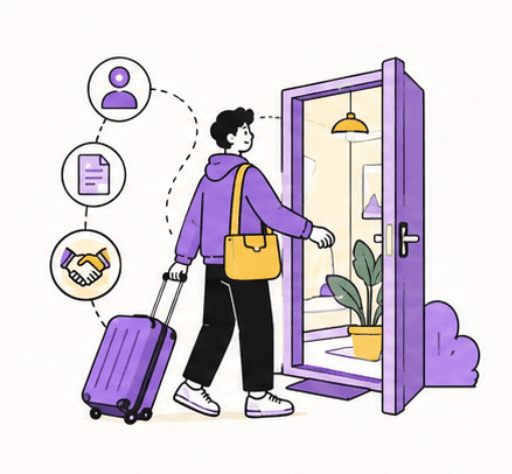
Guests verify identity with a passport or government ID, digitally. We deliberately do not ask for a local credit score, local bank statements, or a local guarantor — those requirements are the reason the medium-term market is closed to international movers in the first place, and they measure how long someone has lived in a country rather than whether they will be a good tenant.
What a host sees before accepting
Verified identity
Confirmed against government ID.
Stay purpose and dates
Why they are coming, and for how long.
Their decision
Hosts accept or decline; nothing is auto-booked.
3.When something fails
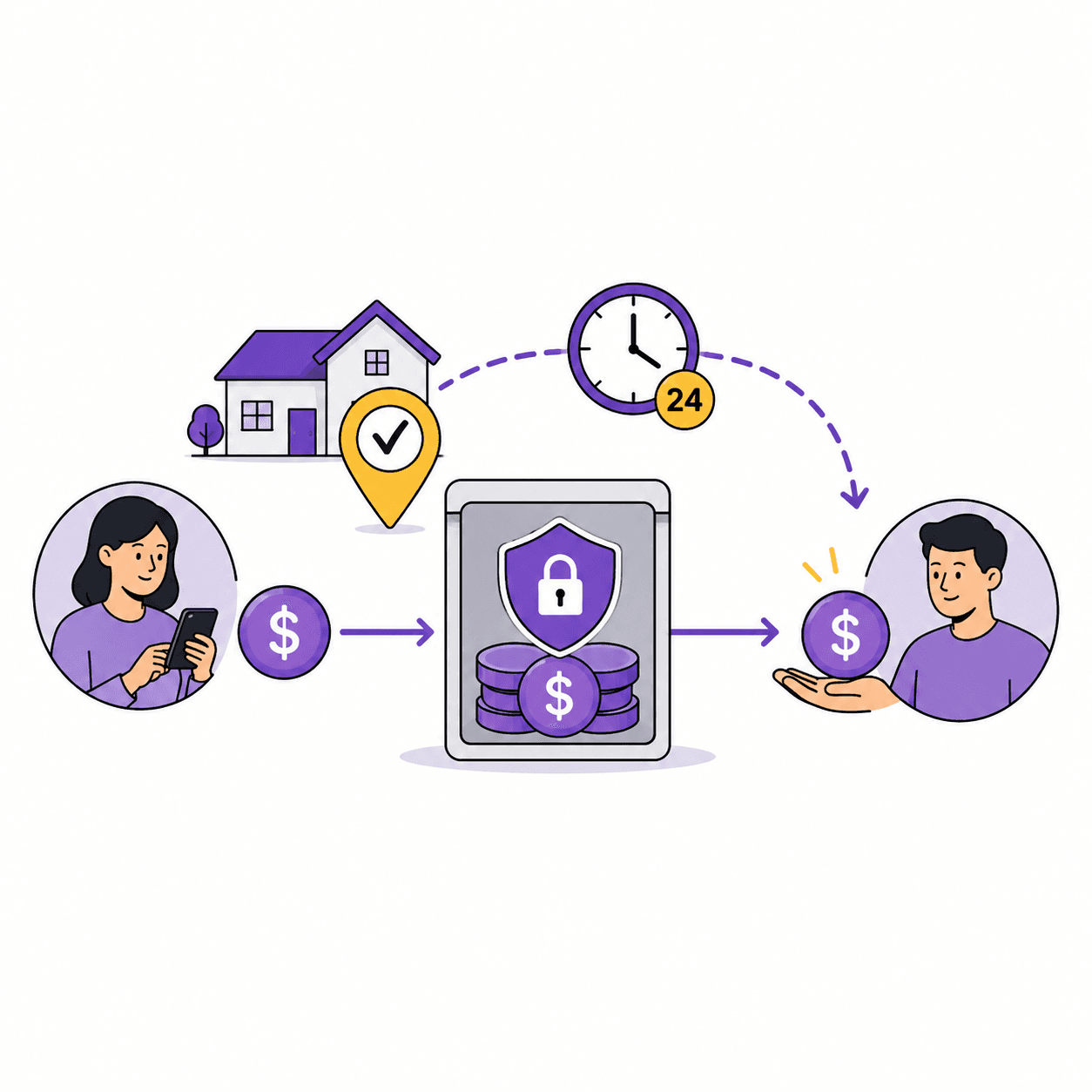
A listing that cannot evidence the right to let does not go live. A listing already live that turns out to have misrepresented the home is removed, and the affected bookings are handled as a platform failure rather than a guest’s problem — which is possible precisely because payouts are not released until after check-in.
Press enquiries, interviews, and fact checks.
Contact our media teamKeep reading
All stories