
Housing is sold in two sizes, and most moves are neither of them.
A hotel or a short-term rental is priced by the night, which stops making sense somewhere in the second week. A residential lease runs twelve months, asks for a local credit history, and often wants a guarantor who lives in the country you have just arrived in.
Between those two sits an ordinary category of life: a contract role, a research term, a clinical rotation, a relocation while a family looks for something permanent, a semester abroad, six months of caring for a parent in another city. People in that middle either overpay by the night or sign a year they do not need.
Plextell exists for that middle — stays of 30 days to twelve months, in furnished homes, on a real residential lease.
1.The gap nobody was pricing
The medium-term renter is easy to describe and hard to serve. They know their dates. They are not price-shopping a weekend. They need the home to be habitable on day one, because they are working the day after they land. And they very often cannot produce the paperwork a local landlord asks for.
What we heard, and what was actually going on
01“Just book a short-term rental and extend it.”
Nightly pricing carries cleaning, turnover, and vacancy risk that a four-month stay does not create.
Plextell fact
A monthly rate quoted for the whole window, with utilities and Wi-Fi bundled in.
02“Just sign a lease like everyone else.”
A twelve-month lease needs local credit, references, and often a guarantor — the exact things a new arrival does not have.
Plextell fact
Identity verified by passport or government ID, not by a local credit file.
03“Landlords will never take four-month tenants.”
They will, if the tenant is screened, the lease is standard, and the money is not a question mark.
Plextell fact
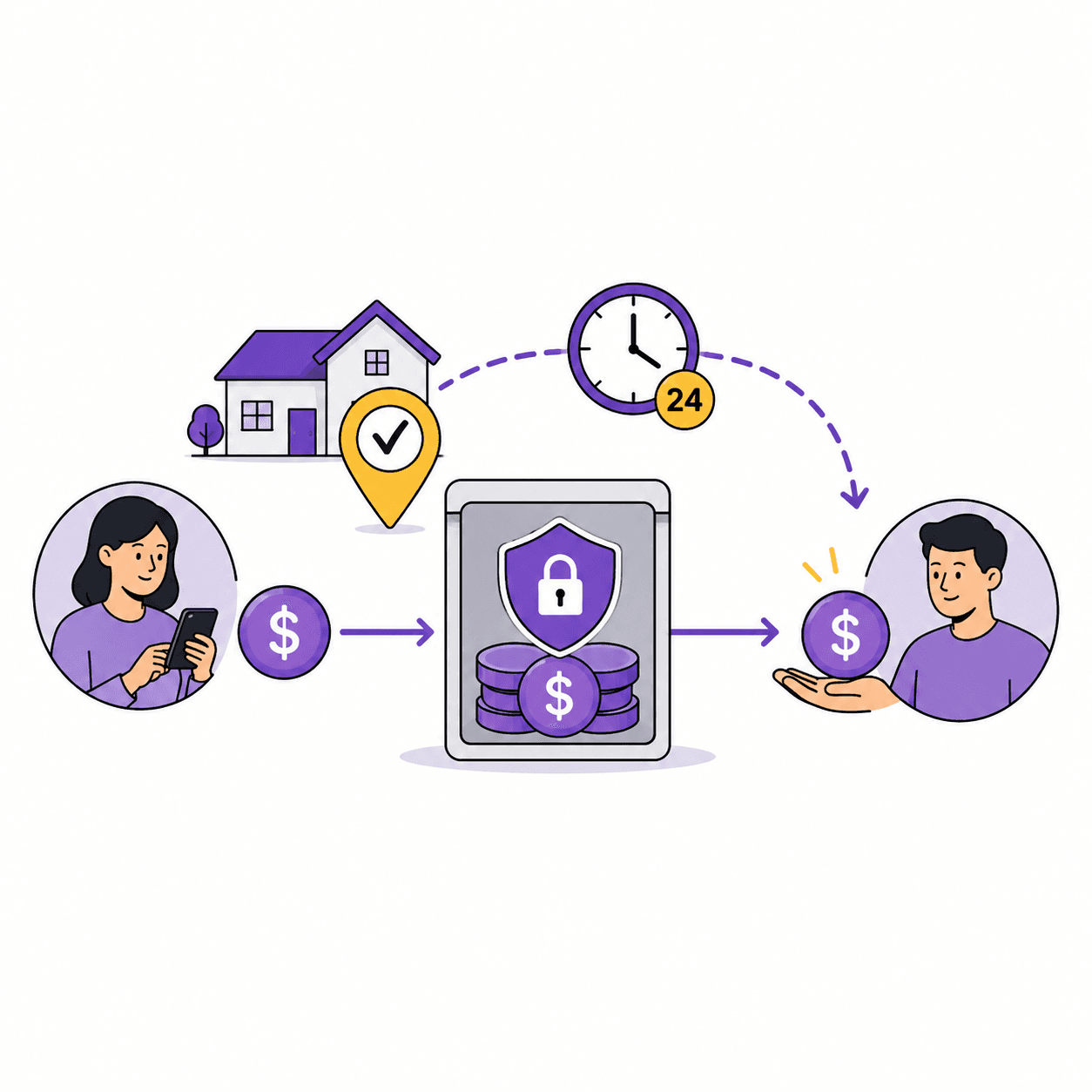
Verified guests, a generated lease, and payment secured before move-in.
2.What we decided to build
Three commitments shaped the product, and each of them costs us something.
One number, quoted upfront
The monthly rate a guest sees is the rate for their exact window, with the deposit and service fee shown before they request. We would rather lose a click to a higher-looking price than win one and correct it at checkout.
A real lease, not a booking receipt
Every stay of 30 days or longer runs on a residential agreement generated from the property’s own jurisdiction. It takes longer to build than a reservation record, and it is the reason a guest has standing if something goes wrong.
Money held, not forwarded
The first payment goes into Plextell Escrow rather than straight to the host, and is released after the guest has checked in. Hosts wait a day longer than they would elsewhere. Guests get a home that matches its photographs.
The unglamorous part is the product
Verification, lease generation, escrow, and jurisdiction rules are most of the engineering and almost none of the marketing. They are also the only reason a stranger sends a month of rent to a stranger in a country they have never lived in.
3.What we are deliberately not
We are not a nightly booking site with a longer date picker. We do not run a bidding system that moves the price after a guest commits. And we are not a listings board that collects a fee for an introduction and disappears once the two parties have each other’s number — the money and the paperwork are the product.
The trade-off is that we open slowly. A city goes live when we can generate a lease that holds up under its tenancy law, not when we have enough homes to make a landing page look full.
If you are writing about the medium-term market and want the detail behind any of this, our media contact is at the foot of the press page.
Press enquiries, interviews, and fact checks.
Contact our media teamKeep reading
All stories